

People
Faculty
Postdocs

Shahine is interested in developing simple and interpretable statistical machine learning methodologies to address computational challenges raised by climate models and speed up the exploration of possible future climates. At MIT, he joined the ‘Bringing Computation to the Climate Challenge’ flagship project to work on the development of simplified climate models called "climate emulators" that can be used to rapidly explore climate scenarios. He received his PhD from the University of Oxford, where he worked on probabilistic machine learning for climate science, focusing on kernel-based learners. He holds an MSc in Machine Learning from École Normale Supérieure Paris-Saclay and an MEng in Applied Mathematics from CentraleSupélec. He enjoys photography, cooking, and design. For more details see his webpage.

Paolo develops and runs numerical models to understand how the atmosphere works across different scales, from global-scale dynamics to local aspects of weather, climate and air quality. He received his PhD at the University of Notre Dame, where he studied boundary layer turbulence to couple Numerical Weather Prediction models and Large Eddy Simulations. He has worked in different research institutions and contributed to the development of atmospheric models to support policy decisions and provide solutions for current environmental challenges, including air quality, wind energy deployment and climate change. At MIT, he joined the ‘Bringing computation to the climate challenge’ flagship project with the goal of contributing to the development of a digital twin of the Earth and making climate predictions more practical for communities and stakeholders. Outside the lab, Paolo is an enthusiastic soccer player and enjoys playing guitar.

Zehui employs advanced numerical models, integrating emissions estimates, geographical information, and multi-source observational data to understand and explore air pollution and biosphere-atmosphere interactions. At MIT, she plans to quantitatively assess the impact of forestry management and land competition on climate change and air quality. She graduated from Peking University with a Ph.D. in Atmospheric Physics and Environment, studying the impacts of nitrogen emissions and land use changes on regional air quality. She has visited the International Institute for Applied Systems Analysis (IIASA) as a guest research assistant at the Pollution Management Research Group. Outside of work, Zehui enjoys hip-hop dancing, hiking, running, and painting.

Anthony is interested in investigating how the terrestrial biosphere, nitrogen cycle and climate interact with air quality, and by extension their implications on public policy and resource management. At MIT, he focuses on evaluating the environmental impacts of potential increasing alternative fuel usage in the global shipping industry. He graduated from Boston University with a Ph.D. in Earth and Environment, studying ozone deposition, and how land system changes can affect air quality. He also holds a B.Sc. in Physics from Chinese University of Hong Kong, where he was a research assistant working on atmosphere-biosphere interactions. Outside of work, he enjoys studying history and culture, travelling, and every mountain sports.
Graduate Students

Emmie is interested in the fundamental processes that drive air quality and in developing better tools to assess the human health impacts from air pollution and climate change. Before coming to MIT, she worked at Washington University in St. Louis on the laboratory operations for the Surface Particulate Matter Network (SPARTAN) and conducted research at the Carnegie Institution for Science on modeling aerosol-induced changes to monsoon climates. Emmie earned her Sc.B. in Geology-Chemistry from Brown University where her bachelor’s thesis focused on the use of stable isotopes to identify sources of ammonium in urban precipitation. Outside of work, she loves going outdoors and in water, learning languages, trying new food trucks, and being an avid pedestrian.

Yuang is interested in understanding and solving issues in climate change, air quality and energy systems with mathematical and modeling approaches. At MIT, he is working toward efficient and rigorous climate and air pollution predictions, also setting ground for relevant policy analysis. Before joining MIT, Yuang earned his bachelor's degree in environmental science at Peking University. Yuang loves badminton and traveling in his free time.

Lexia’s research interests involve the atmospheric transport of pollutants such as polycyclic aromatic hydrocarbons (PAHs), and learning to model and understand the relationships between anthropogenic influences, atmospheric cycling, and chemical properties. She earned a B.A. in Chemistry and a B.A. in Earth and Environmental Science from Boston University. While there, she worked with Lucy Hutyra and the Campus Climate Lab investigating the impacts of the COVID-19 shutdown on the university’s CO2 and CH4 emissions, concentrations, and energy use. She was also a member of the Coker group at Boston University where she used QM/MM modeling techniques to understand the down conversion of light in algae for applications in solar panels. During her free time she enjoys cooking vegan food, reading nonfiction, playing board games, hiking, and obstacle course racing.

Eric is interested in improving the representation of observational datasets and meteorological uncertainty within global mercury models. Prior to attending MIT, Eric earned dual B.S. degrees in Atmospheric Science and Mathematics from UMass Lowell, where his honors thesis investigated the linkages between mercury concentrations, fluxes, and the planetary boundary layer from observations measured over two forest sites. As an undergrad, Eric also interned with the National Oceanic and Atmospheric Administration (NOAA) Air Resources Lab through the NOAA Lapenta Internship Program (2020) and with the NOAA Geophysical Fluid Dynamics Lab as a NOAA Hollings Scholar (2021). When outside of the lab, Eric enjoys hiking, mountain biking, and golfing.

Chris is interested in improving numerical methods for climate simulations while focusing on the interface between research and policy-making, investigating how different stakeholders influence model development. He received his S.M. in Technology and Policy in 2024 and is currently pursuing a PhD in Aerospace Computational Engineering. Prior to joining the group, he worked with David Darmofal in the Aerospace Computational Design Laboratory (ACDL) studying the impacts of curved meshing on higher-order, adaptive finite element methods (FEM). He earned his B.S. from MIT in Aerospace Engineering with a focus in numerical methods for partial differential equations, researching the accuracy and convergence of stabilized FEM as an undergraduate research assistant in the ACDL. He is an active member of MIT’s Ballroom Dance Team and in his free time he enjoys watching movies, playing video games, and spending time outdoors.
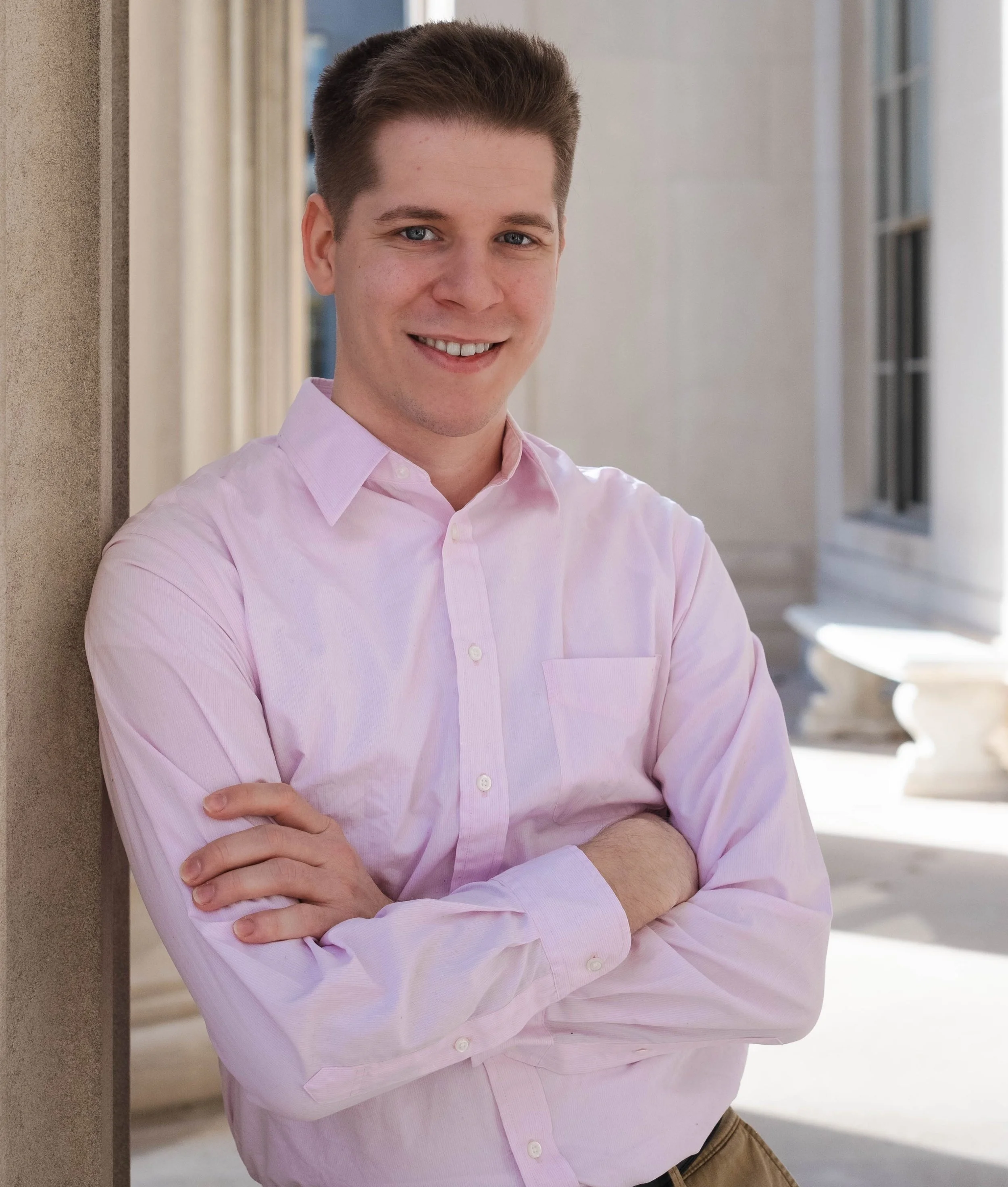
Andrew’s research interests lie at the intersection of transportation, energy systems, and atmospheric science. Andrew is also enthusiastic about pedagogy, working as an instructor at Wentworth Institute of Technology and assisting in the delivery of MIT courses sponsored by NASA Goddard, Blue Origin, and others. In his doctoral work, he is assessing the climate and air quality impacts of replacing flights with passenger rail travel in the United States. Andrew completed his master’s degree with the MIT Gas Turbine Laboratory, exploring the design space of hydrogen-fueled propulsion systems for electrified civil aircraft. Prior to attending MIT, he received a bachelor’s degree in mechanical engineering from Penn State University. In his free time, Andrew enjoys cycling, local music, watching football (Go Birds!), and playing video games.
Group Administrator
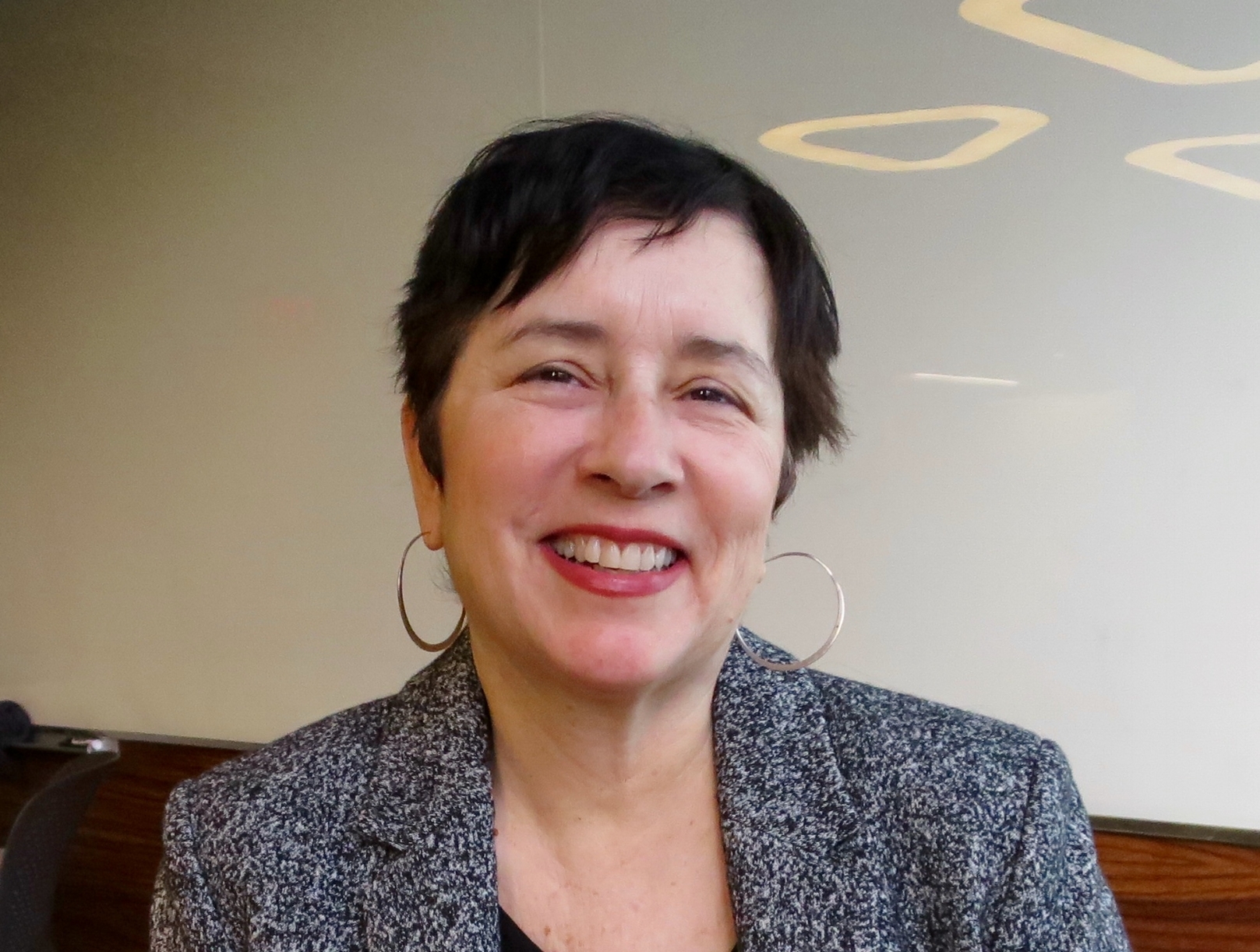
Amy Kaczur is our group administrator at the Institute for Data, Systems, and Society, beginning her career at MIT in January 2017. Prior to coming to MIT, she has worked administratively in education, the arts, and culinary industries. Her accomplishments include: helped to achieve Green Business Certification for US Foods, Los Angeles as a member of their Go Green Committee; cooperatively established processes and advocacy in the newly created Dean of Faculty’s office at School of the Museum of Fine Arts, Boston; and developed media workshops and technical demonstrations at UC Irvine. In her free time Amy also produces video art, grounded in environmental concerns, food production, and local economies. Amy is a graduate of Tufts University and University of California, Irvine, and has lived in the Ohio Rust Belt, Cambridge and Los Angeles. She’s also a foodie, gardener, bicyclist, and hiker. Her email is akaczur at mit.
Alumni
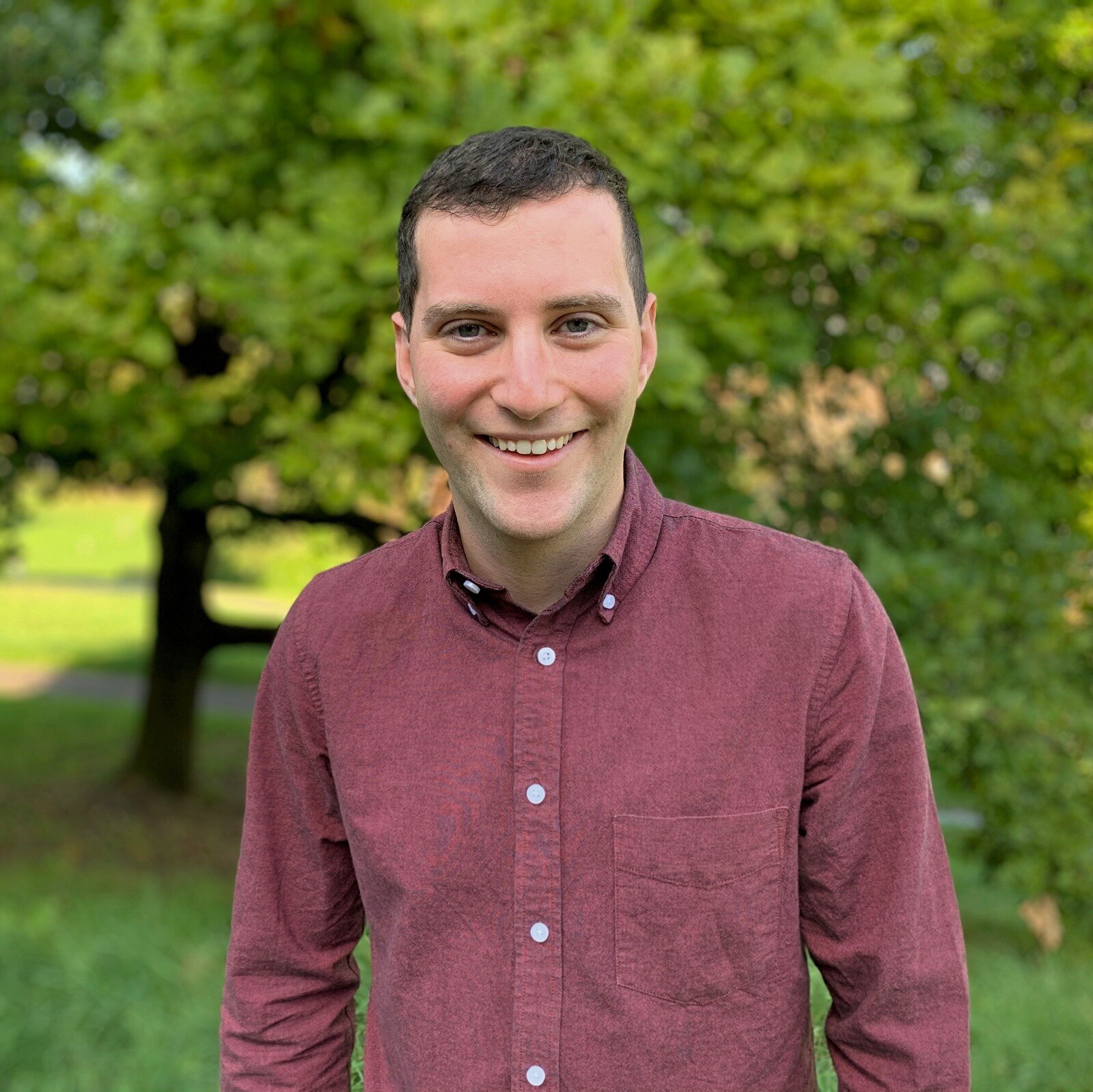
Ari uses process-based and statistical models to analyze how biogeochemical cycles of trace elements have changed in the past and to predict how they will change in the future. At MIT, Ari focuses on quantifying and reducing the uncertainties in global mercury models in order to better understand the sources and fate of this toxic element. Ari graduated from ETH Zurich with a PhD in Environmental Systems Science, where he worked on establishing an atmospheric model of selenium cycling. He has a M.Sc. in Atmospheric and Climate Science from ETH and a B.Sc. in Chemistry from McGill University. Outside of work, Ari enjoys hiking, learning languages, and cooking.
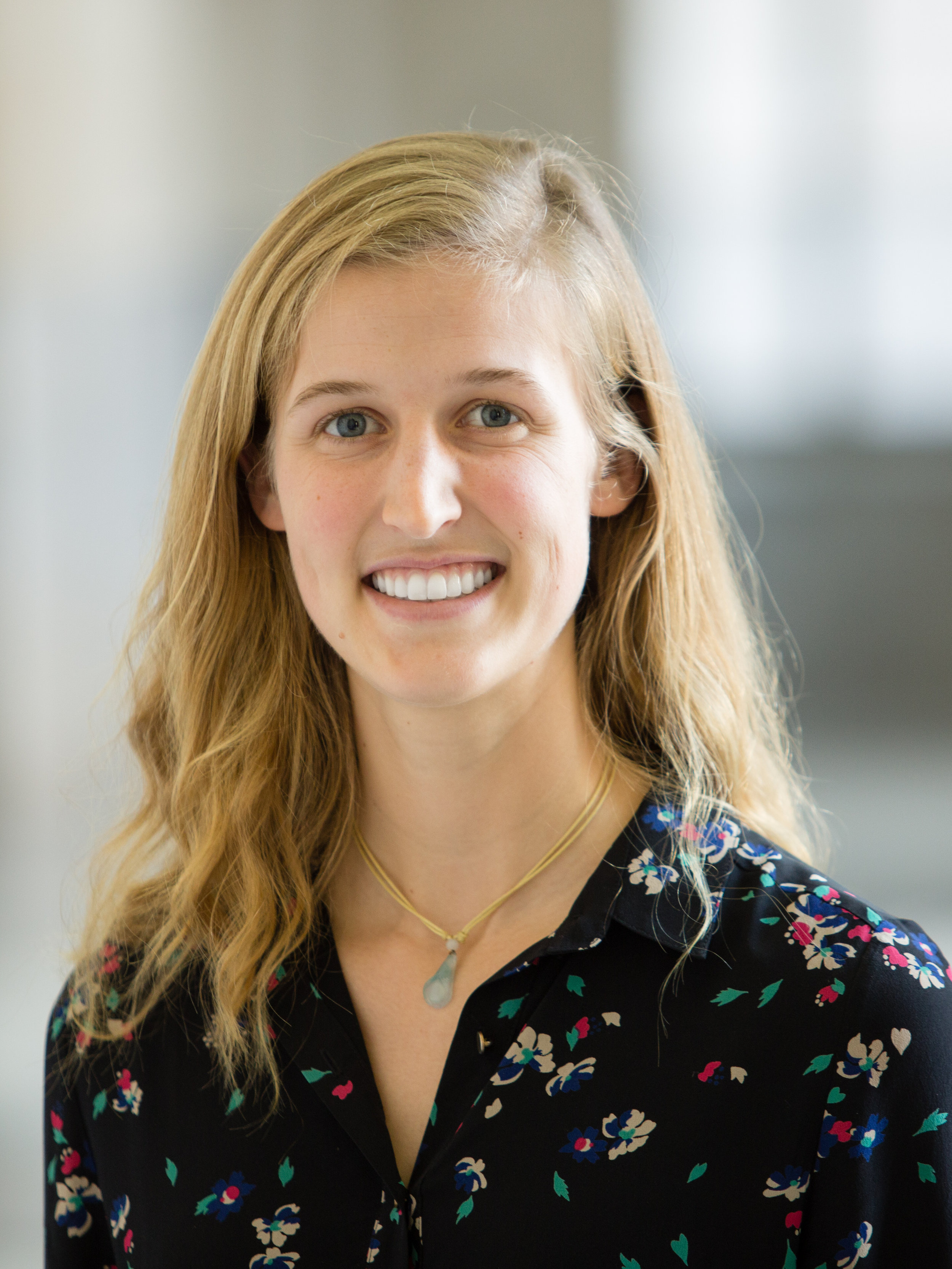
Lyssa is focusing her PhD on the intersection of atmospheric science and international relations, with an interest in air pollution, health, and economics in China, the U.S., and developing regions. Prior to starting her PhD at MIT, she worked at think tanks in both China and the U.S., and earned her Bachelor’s in Science, Technology and International Affairs from Georgetown University’s School of Foreign Service.

Fiona researches the governance of sustainability transitions. Based at the Technical University of Munich (TUM), she is focusing her PhD on the phase-out of chemical pollutants in the agricultural sector, through a collaboration between Miranda Schreurs (TUM) and IAS Hans Fischer Senior Fellows Noelle Selin and Henrik Selin (Boston University). She earned her bachelors degree in Sustainable Development from Columbia University and her Master's in Environmental Policy from Sciences Po, and has worked at think tanks and research institutes in France and in the U.S. on a variety of policy issues relating to biodiversity, agriculture, climate change, and development. In her free time, she loves to play cello and try new types of dance.
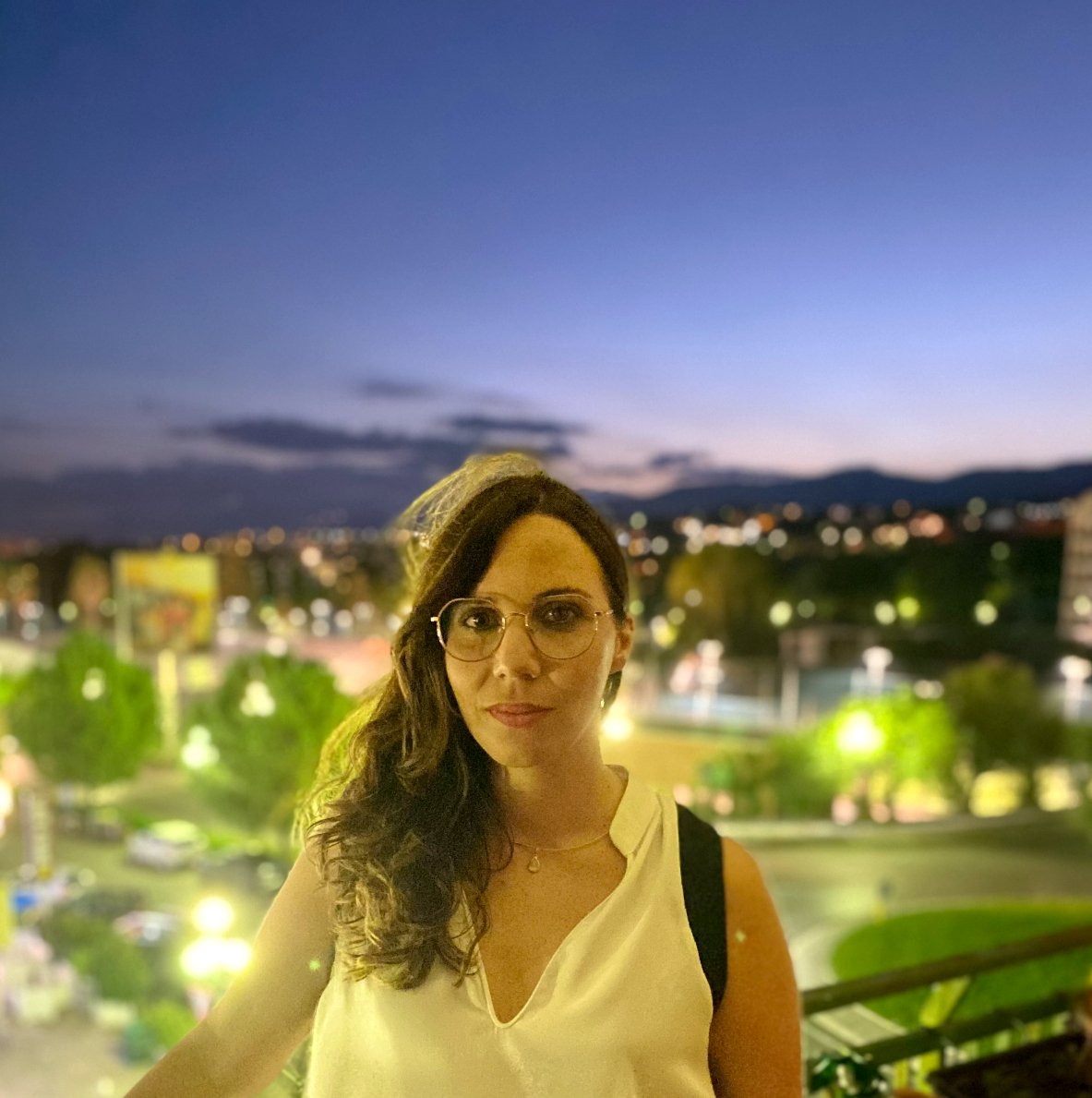
Charikleia Gournia is an Early Stage Researcher at the “Global Mercury Observation and Training Network in Support to the Minamata Convention” (MSCA ITN H2020 GMOS-TRAIN). Charikleia’s study focuses on constructing policy scenarios for mercury emission reductions in line with the Minamata Convention. Using global 3-D chemical transport models, she simulates scenarios that reflect future mercury reduction policies worldwide and evaluates their impacts and effectiveness. Charikleia is a doctoral researcher in the European project GMOS-train (www.gmos-train.eu) funded by the European Union’s Horizon 2020 research and innovation programme. She performs research in the Italian National Research Council's Institute of Atmospheric Pollution Research at the Division of Rende and is a Ph.D. student in the Ecotechnologies study programme of the Jožef Stefan International Postgraduate School in Ljubljana, Slovenia. She is supported and scientifically supervised by Prof. Noelle Selin and Dr. Aryeh Feinberg and is frequently seconded at MIT. She also collaborates with the European Commission-Joint Research Centre (Ispra, Italy) and other European institutes. Charikleia holds a four-year degree in Mathematics combined with a two-year master's degree in Environmental Sciences. Outside of work, she loves digital and traditional painting.

Christina is excited to pursue research under IDSS’ structural racism initiative. She received her bachelor’s degree in Chemical Engineering from Yale University. After her undergraduate studies, she worked as Scoville Fellow at the Natural Resources Defense Council (NRDC) covering energy systems transitions and nuclear policy issues. Most recently, she was an air quality consultant at Ramboll, where she conducted life cycle emission analyses to assess environmental and equity concerns from vehicle emissions.

Sadia Afrin is a Postdoctoral Associate in the Laboratory for Aviation and the Environment (LAE) in the Department of Aeronautics and Astronautics. Her research interest focuses broadly on atmospheric pollution and its interaction with climate, air quality, and public health. Before joining LAE, she pursued a Ph.D. in Civil and Environmental Engineering from North Carolina State University. Her Ph.D. work focused on investigating the regional-scale air quality and health impacts from wildland fire smoke in the southeastern U.S. At MIT, she is working on assessing the global scale and longer-range impact due to aviation emissions and climate policies on air quality, climate, and public health using computational models and data analysis approaches

Disha focuses on the intersection of data, environment, and public health. In collaboration with the MIT Superfund Research Program, she seeks to link data on complex pollutant distributions to data on pollutant impacts on carcinogenesis. Most recently, she focused on the intersection of women's health, climate citizen science as a Michael C. Rockefeller Memorial Fellow in New Zealand. Previously, she investigated UN synthetic biology governance with the University of Edinburgh Engineering Life Group and helped engineer bacteria that convert atmospheric CO2 into biodegradable plastic with the Silver Lab at Harvard Medical School. She received her A.B. in Molecular and Cellular Biology from Harvard College. A Northern California native, she enjoys finding time to hike in foggy coastal woods.

Thandolwethu 's research was focused on applying quantitative techniques to investigate how much mercury is emitted to the atmosphere from artisanal and small scale gold mining ASGM, globally and regionally. During his undergraduate career Thandolwethu conducted research with the Duke University Center for Water, Sanitation, Hygiene and Infectious Disease (WaSH-AID) where he developed a methodology to design an off-grid solar PV system for one the center's novel sanitation technologies. Thandolwethu's previous work experience has been in energy access in Southern Africa with the Eswatini Electricity Company (EEC) as an Engineering Trainee coordinating EEC’s US $230 000 off-grid electrification project. Before that he spent 7 months with OnePower in Lesotho as an Energy Access Fellow designing powerhouses for mini-grids that OnePower is developing.

Paul’s research focused on energy and climate policy, including the impacts of air pollution exposure on public health. Prior to MIT, he conducted research at Resources for the Future (RFF), where he developed and applied power sector models used for resource planning, policy analysis, and health risk assessments. At RFF, he analyzed policies related to carbon pricing and clean energy standards at federal and state levels, and engaged with decisionmakers and stakeholders to communicate their effects and advise policy development. Previously, he evaluated energy and environmental regulations at NERA Economic Consulting, and researched wind and solar energy integration with the National Oceanic and Atmospheric Administration. He completed his B.A. in environmental economics at Pomona College.

Will is excited to pursue research on climate change and health impacts, in collaboration with the Joint Program on the Science and Policy of Global Change. The project aims to assess health metrics for inclusion in science-based climate targets, incorporating stakeholder engagement from TPP's Research to Policy Engagement Initiative. Prior to MIT, Will earned a B.A. in Geosciences from Princeton University and worked at a climate research and communications NGO. He also founded a student-community research team to inform Princeton's Climate Action Plan -- and will be conducting similar work as a Rapid Response Group volunteer for MIT's Environmental Solutions Initiative. Outside of work, Will enjoys cooking, piano-playing, and all things outdoors.
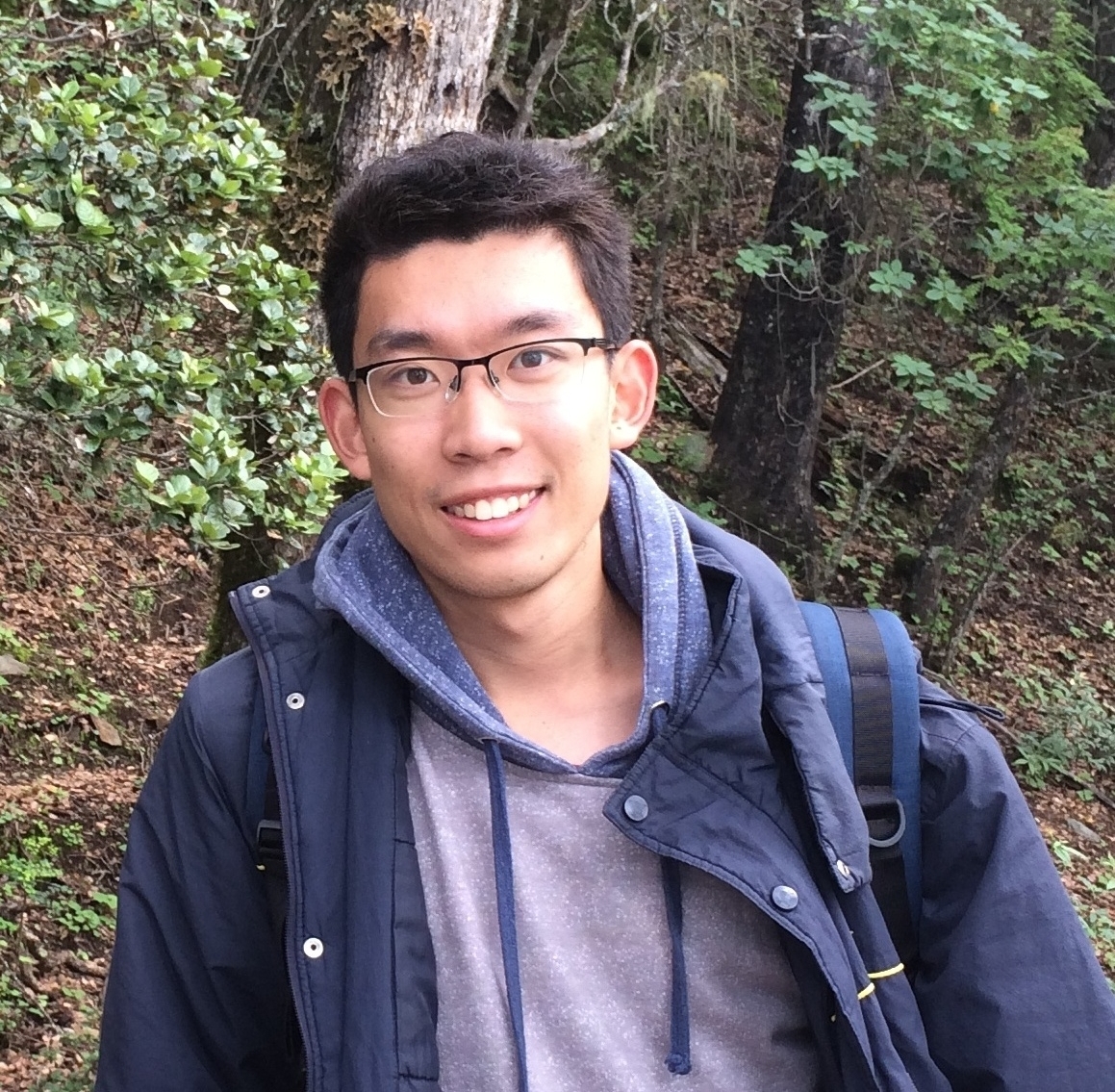
Minghao is interested in understanding the impacts of China's economic policy on the air quality and carbon emissions. He is interested in combining GEOS-Chem with modeling methods from social science domain. Prior to coming to MIT, Minghao received his bachelor's degrees in environmental science and economics at Peking University in China. Minghao loves playing basketball and running in his free time.

Jamie graduated from the University of Edinburgh (U.K.) with a PhD in Atmospheric and Environmental Sciences. During this time, Jamie developed the chemistry scheme within a global atmospheric model. Using this new chemistry scheme, Jamie examined how future changes in climate and emissions will alter the distributions of organic aerosols in the atmosphere. Now at MIT, Jamie’s role in the Superfund Research Program (SRP) is to model Polycyclic Aromatic Hydrocarbons (PAHs), with particular emphasis on their sources, transport, transformations, and health impacts.
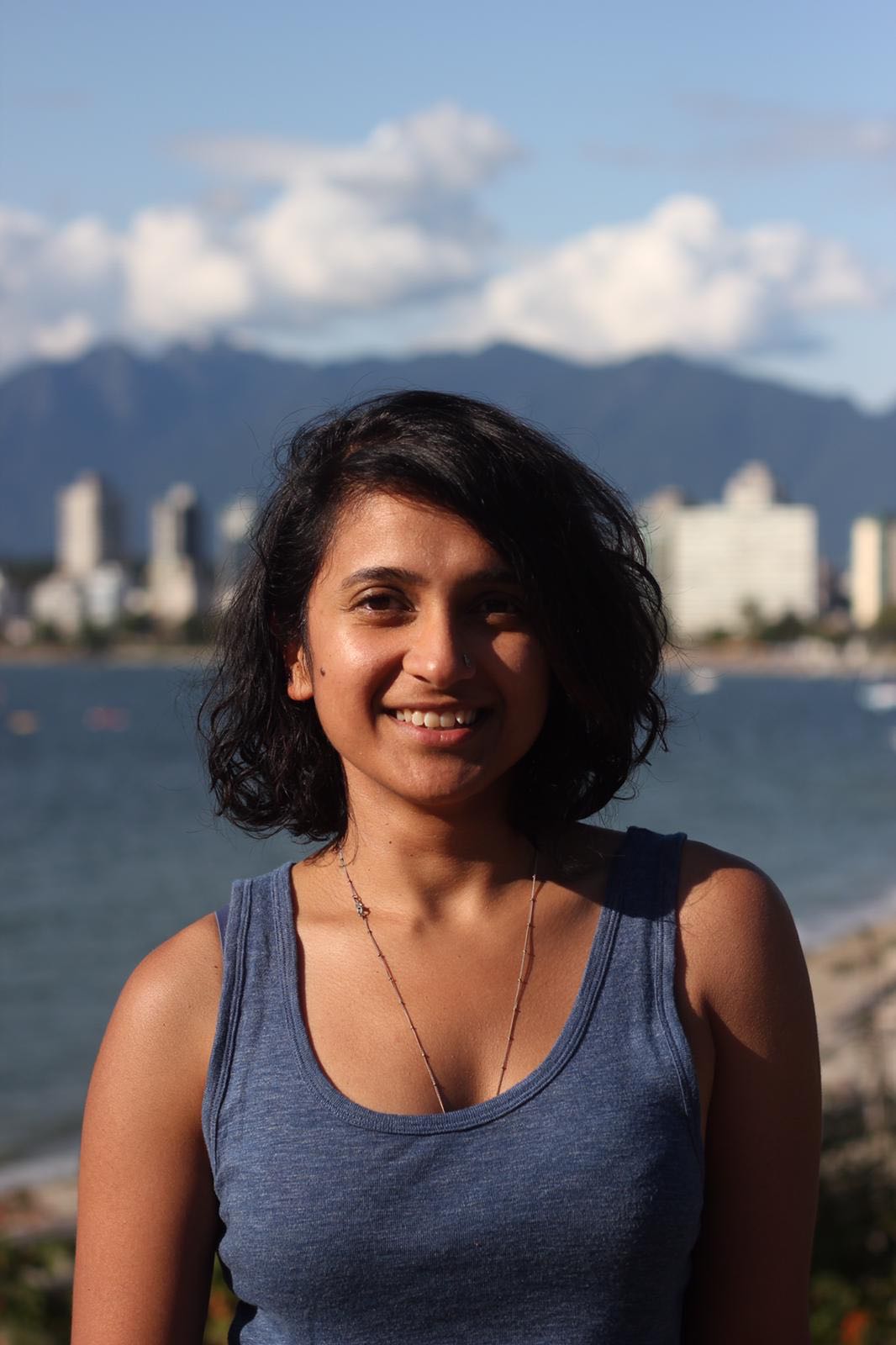
Poushali received her Ph.D. from the Institute for Resources, Environment & Sustainability, University of British Columbia. She works at the intersection of three major energy challenges facing large developing countries - clean energy access, air quality improvement and climate change mitigation. Her research focuses on analyzing energy consumption data and using energy systems models to inform policy decisions that can simultaneously address multiple energy issues in an integrated manner. She has a B.Sc. in Physics from St. Stephen’s College (University of Delhi), and an M.Sc. in Renewable Energy from the University of Edinburgh. In the past, she worked with WWF’s Climate Change & Energy programme and as a wind energy consultant. When she’s not working, Poushali loves traveling and running and cooking up a storm.
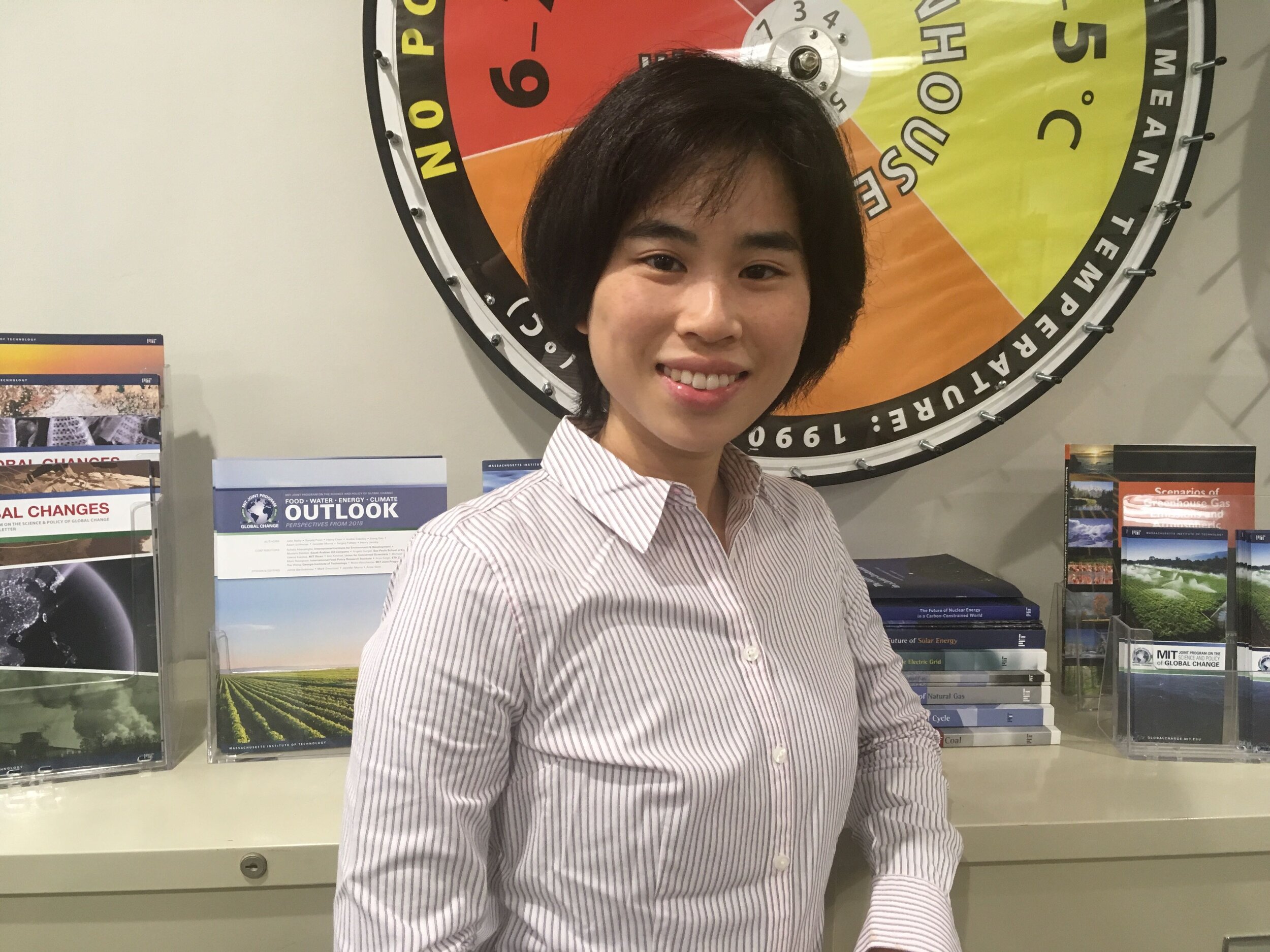
Yiqi was a visiting student at MIT in 2018-2019 while pursuing her PhD degree in Environmental Science, Management and Policy at the Hong Kong University of Science and Technology. Her PhD research quantified the impacts of shipping emissions worldwide. In her research, she generates global shipping emission inventories using a bottom-up model based on Automatic Identification System (AIS) data; examines the impacts of shipping emissions under different policy scenarios using the GEOS-Chem model; and proposes policy recommendations according to scientific evidence and stakeholder engagement. She is a winner of the 2019 Future Maritime Leaders essay competition for her work on an innovative trading scheme for shipping emissions. This is the first emission trading scheme forglobal mobile emitters, which aims to offer flexibility for regulationcompliance during policy transition periods and provide financial incentivesfor a greener business. Prior to her PhD study, she earned her Bachelor degree in Materials Chemistry at Sun Yat-sen University in China, and Master degree in Environmental Engineering and Science from Northwestern University in Chicago. She likes spending her free time on Tai Chi, yoga, swimming, hiking and looking for delicious food.

Mingwei is interested in the future Chinese emissions of air pollutants and their impacts on the air quality over the U.S. through trans-Pacific transport using GEOS-Chem model. She is also interested in the health impact of air pollution. Prior to coming to MIT, Mingwei earned her Master’s Degree in environmental engineering at Tsinghua University in China, and her master’s thesis was about the implications of the variations in the interhemispheric difference of CO2 on global carbon fluxes.

Helene investigates the sources and pathways of potential mercury exposure using integrated modeling and data analysis. In the context of public health, she examines whether upstream policy-induced variations in mercury emissions will result in local changes in contamination. Prior to joining MIT, Helene completed her PhD at the Laboratoire de Glaciologie et Geophysique de l’Environnement (LGGE, Grenoble, France) where she studied the atmospheric cycle of mercury in remote areas of the Southern Hemisphere (subantarctic and Antarctic regions). During her free time, Helene loves swimming, hiking, and traveling.

Dr. Benjamin Brown-Steiner was a Postdoctoral Associate at the MIT Joint Program on the Science and Policy of Global Change and the Center for Global Change Science. His research focused on understanding uncertainties associate with simulations of regional atmospheric chemistry, model development and looking at ways to move from a two-dimensional to a three-dimensional atmospheric chemistry model in the MIT Integrated Global System Model (IGSM). Prior to MIT he worked on climate-chemistry simulations examining various impacts on surface air chemistry in the Eastern US as well as diagnostic analysis of the capabilities and limitations of the Community Earth System Model (CESM) with Chemistry. He is also interested in science communication with non-scientists and has regularly volunteered in his community as a science writer and communicator. He now works at Atmospheric and Environmental Research, Inc.

Amanda's research focuses on how to effectively use modelling to inform environmental governance decisions. She is studying how integrated assessment models can be used to inform local to global scale governance of long-ranged, persistent pollutants like mercury. She received her PhD in Engineering Systems in 2017. She is now Assistant Professor in the Institute for Resources, Environment, and Sustainability and the Department of Mechanical Engineering at the University of British Columbia.

Evan Couzo is an Assistant Professor of STEM Education at the University of North Carolina at Asheville. He joined the UNC Asheville faculty in 2015. As a Postdoctoral Associate at MIT, Evan evaluated how sustainable development decisions in Saudi Arabia might affect air quality and health impacts. His research interests cover a broad range of air quality issues from pollutant formation to regulatory decision-making to public health. Before joining MIT, Evan studied the contribution of heterogeneous nitrous acid formation to oxidant chemistry and radical cycling in an urban environment. He has investigated how power plant emissions impact ozone formation in the northeastern U.S., and he has also researched non-typical ozone formation in Houston, Texas. Evan received his PhD from the Department of Environmental Sciences and Engineering at the University of North Carolina at Chapel Hill in 2013. He also holds a masters degree from the same institution, a masters degree in curriculum and instruction from the University of Mississippi, and a bachelors degree in physics from Williams College. Before becoming an environmental scientist, Evan was a middle school math teacher in the Mississippi Delta.
Evan enjoys hiking with his dog, cooking, traveling, reading, and other sorts of things that make him seem interesting and well-rounded.

Carey was a Postdoctoral Associate/Fellow in the Selin Group from 2005-2010. While at MIT, she expanded the GEOS-Chem model to include simulations of the atmospheric transport of persistent organic pollutants (specifically, PAHs and PCBs), toxic contaminants that persist in the environment. She used the new simulations to investigate various research questions, including what are important pathways and mechanisms in the long-range atmospheric transport of POPs to the Arctic? How will long-range POP transport be affected by climate change? How do particles play a role in the atmospheric transport of POPs?
Carey is now an Assistant Professor of Marine Science in the Corning School of Ocean Studies at Maine Maritime Academy. At MMA she teaches chemistry and marine geochemistry to marine science and engineering majors. She plans to continue investigating the transport and fate of POPs in the environment with help from MMA undergrads.

Fernando is now an Assistant Professor in the Department of Civil, Construction and Environmental Engineering at North Carolina State University. His research interests include air pollution, environmental modeling and numerical methods. As a postdoc at MIT, Fernando studied the impacts of climate change and climate policy on air quality and associated health effects. A major component of his work has been to investigate uncertainty in climate projections and its propagation to air pollution impact assessments. Towards this end, he used integrated assessment, global climate–chemistry, and air quality impacts models. Before coming to MIT, Fernando completed his Ph.D. at Georgia Tech where his research focused on high-resolution methods for photochemical air quality models and simulating the impact of fires on air pollution. At NC State, he plans to use computational models to further explore connections between air pollution, climate, energy and health. He is also a big fan of sports and literature. Fernando misses Boston, but is happy to have moved away from the snow and closer to southern bbq.

Sae was a postdoctoral associate at the Selin Group between 2015 and 2017. While at MIT, she explored the uncertainties in atmospheric mercury modeling in the context of policy effectiveness evaluation, specifically the Minamata Convention on Mercury. She also developed a rice paddy biogeochemical cycle model for mercury to elucidate important sources, biogeochemical processes, and fate of mercury in rice paddies. Through her modeling work, she addressed a number of public health relevant questions originating via rice ingestion in China. Some of her research questions include 1) what are the sources of mercury that contaminate rice in China, 2) what types of processes and factors determine the spatial variability in rice mercury concentrations across China, and 3) how do mercury emission policies and technologies influence future rice mercury concentrations and public health risks in China?
Sae is now Assistant Professor at the School of Environmental Sciences and Engineering, Pohang University of Science and Technology (South Korea). She plans to continue her modeling work to understand how various emission policies and technologies influence sources, processes, and fate of pollutants at multiple spatiotemporal scales. Her research will also combine measurement studies of mercury stable isotopes to elucidate ecosystem-specific sources, biogeochemical processes, and fate of mercury in the natural environment.

Daniel’s research interests broadly intersect the theme of atmospheric composition, its role in climate change, and the ways that anthropogenic activity can influence both. Originally trained as a meteorologist, his doctoral work undertaken in MIT’s Department of Earth, Atmospheric, and Planetary Sciences focused on better representing aerosol-cloud interactions in climate models, and how uncertainty in these processes “clouds” our understanding of climate change. Working with colleagues in Noelle’s group, he studied the role of climate variability on influencing air quality in both the present and future. Beyond this core research, Daniel is active in the science policy community through MIT and other Boston-based organizations such as the American Meteorological Society, an advocate for open/reproducible science, and a zealous Pythonista. When he’s not coding or working, he enjoys unhealthy amounts of coffee and performing on the violin.

As part of MIT's Joint Program, Tammy worked on expanding the capabilities of global scale modeling efforts by incorporating regional-scale modeling of ozone and particulate matter in order to evaluate potential air quality and human health impacts of transportation policies. Prior to joining the Selin group at MIT, Tammy worked as a PostDoc at the Center for Energy and Environmental Resources at the University of Texas, using regional scale photochemical air quality models to guide the development of Electricity and Transportation Policies. She was a Research Scientist at the Cooperative Institute for Research in the Atmosphere at Colorado State University, and is now a AAAS Fellow at the U.S. Environmental Protection Agency.

Ellen is interested in the organizational dynamics of creating sustainable changes in supply chains and policy and in how mutual gains negotiation/consensus building theory and processes assist in making these changes. Her research at MIT examined at whether and how models can be used in sustainability negotiations and decisions. She uses both qualitative and quantitative methods.

Jareth's dissertation focused on the sensitivity of inorganic aerosol impacts to U.S. precursor emissions. Jareth was co-advised with Susan Solomon in the Department of Earth, Atmospheric, and Planetary Sciences.

Danya Rumore is the Associate Director of the Environmental Dispute Resolution Program in the Wallace Stegner at the S.J. Quinney College of Law and a Visiting Assistant Professor in the Department of City and Metropolitan Planning at the University of Utah. She is a research affiliate of the University of Utah Ecological Planning Center and Global Change and Sustainability Center. She completed her Ph.D. in Environmental Policy and Planning at MIT in the summer of 2015. Danya's research and work focus on supporting more collaborative decision-making around science-intensive environmental issues, with a focus on climate change adaptation, water resources management, and land use planning. During her time at MIT, she was the Assistant Director of the MIT Science Impact Collaborative and the Project Manager for the New England Climate Adaptation Project. Her dissertation research tested the effectiveness of science-based role-play simulations as a tool for civic education and engagement around climate change adaptation. She is an author of the book Managing Climate Risks in Coastal Communities: Strategies for Engagement, Readiness and Adaptation.

Rebecca developed an integrated assessment modeling framework to explore the interactions between energy and environmental policies. This framework represents atmospheric processes and environmental policies, and quantifies their effect on our energy mix, economic prosperity, and income inequality. She is a fan of clean air, Canada, Canucks, and canoes. She is now an assistant professor at the University of Waterloo.
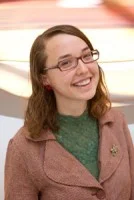
Leah Stokes is an Assistant Professor in the Department of Political Science at the University of California, Santa Barbara (UCSB). She received her PhD in Public Policy and masters in Political Science from the Massachusetts Institute of Technology (MIT). Her research examines expansion and retrenchment in renewable energy policies across North America, using qualitative and quantitative methods. To date, her research on renewable portfolio standards (RPS), feed-in tariffs (FIT), and net-metering (NEM) policies has been published is Energy Policy, Environmental Science & Technology, and The American Journal of Political Science. She also researches international environmental negotiations, particularly the Minamata Convention on mercury and the climate change negotiations. As part of the Selin Group, she conducted research on mercury negotiations and wrote The Mercury Game.

Shaojie's dissertation research focused on mercury (Hg). He used a combination of atmospheric observations and models to better understand and quantify land-atmosphere interactions of Hg. He is now a postdoctoral fellow with the Harvard China Project.
Noelle is Professor in the Institute for Data, Systems and Society and the Department of Earth, Atmospheric and Planetary Sciences. She is Director of the MIT Center for Sustainability Science and Strategy. She served as Interim Director of MIT’s Institute for Data, Systems, and Society (2023-2024), and as director of MIT’s Technology and Policy Program from 2018-2023. Her research uses modeling and analysis to inform sustainability decision-making, focusing on issues involving air pollution, climate change and hazardous substances such as mercury. She received her PhD and M.A. (Earth and Planetary Sciences) and B.A. (Environmental Science and Public Policy) from Harvard University. Her work has focused on atmospheric chemistry, air pollution, as well as interactions between science and policy in international environmental negotiations. She is the recipient of a U.S. National Science Foundation CAREER award (2011), a Leopold Leadership fellow (2013-2014), Kavli fellow (2015), a member of the Global Young Academy (2014-2018), an American Association for the Advancement of Science Leshner Leadership Institute Fellow (2016-2017), and a Hans Fischer Senior Fellow at the Technical University of Munich Institute for Advanced Study (2018-2021). Download Noelle’s cv here.